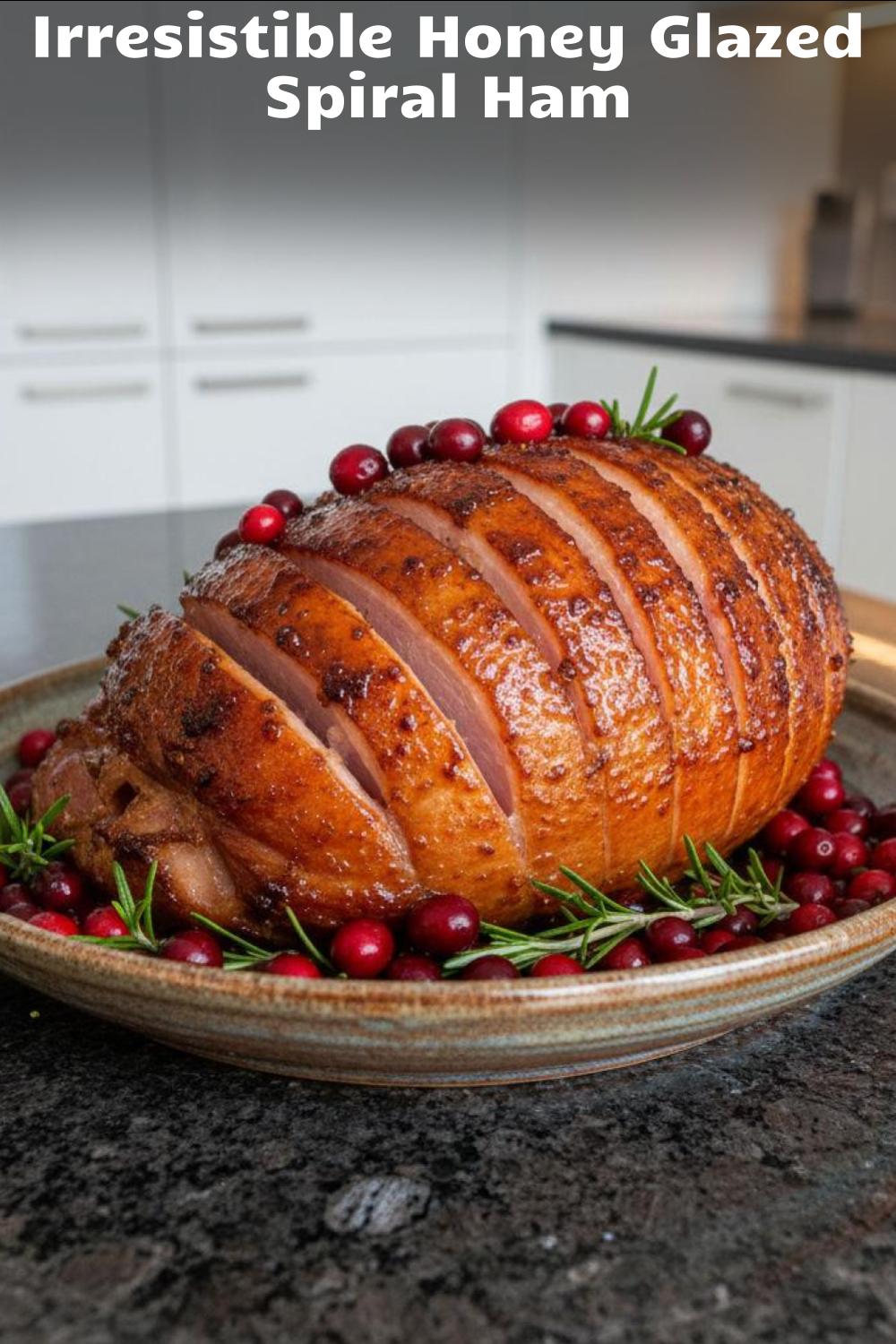
Holiday Centerpiece Perfection: Crafting the Best Honey Glazed Ham with Ease
The holidays are a time for gathering, celebration, and, most importantly, incredible food that brings everyone to the table. Among the festive spread, a perfectly cooked ham often takes center stage, promising warmth and deliciousness. Yet, for many home cooks, the idea of creating a show-stopping, glistening easy honey glazed ham can feel daunting. Visions of dry, lackluster meat or a burnt, sugary crust often replace the dream of a golden, tender masterpiece.
But what if we told you that achieving that ideal honey glazed ham — the kind you see in magazines, with its irresistible sweet and savory crust and juicy interior — is not a secret reserved for culinary experts? It’s a surprisingly straightforward process that leverages common pantry staples and a few simple techniques. Forget the stress and complicated recipes; today, we're going to demystify the art of the honey glazed ham, empowering you to craft a main dish that not only looks like a masterpiece but tastes absolutely divine, without hours of fuss.
Why a Honey Glazed Ham is the Ultimate Holiday Must-Have
There's a reason the honey glazed ham has stood the test of time as a holiday favorite and special occasion centerpiece. Its universal appeal lies in its exquisite balance of flavors and textures. The combination of succulent, savory ham with a sweet, aromatic glaze creates a symphony on the palate that is both comforting and sophisticated. It’s a dish that evokes nostalgia, brings families together, and promises satisfying leftovers.
Beyond its incredible taste, a well-prepared honey glazed ham offers several practical advantages. It's an excellent choice for feeding a crowd, as a single ham can serve many guests generously. Moreover, opting for a pre-cooked, spiral-cut ham significantly simplifies the process, making it a truly stress-free option for busy hosts. This isn't just a meal; it's an experience, a symbol of generosity and festivity that makes any gathering feel more special, whether it's a grand holiday feast or a cherished Sunday dinner.
Essential Ingredients for Your Signature Glaze
The magic of a truly great honey glazed ham largely resides in its glaze. It’s the component that transforms a simple ham into an unforgettable culinary event, creating that beautiful, caramelized crust and infusing every bite with irresistible flavor. You don't need exotic ingredients; the secret lies in a few key items that work synergistically.
- The Ham Itself: For ease and reliability, opt for a fully cooked, bone-in or boneless, spiral-cut ham. A 5-7 pound ham is ideal for most family gatherings, but adjust your recipe if yours is larger or smaller. A spiral-cut ham is particularly convenient as it's already pre-sliced, making carving a breeze after it's cooked.
- Pure Honey: This is the undeniable star, lending its characteristic sweetness and helping to create that gorgeous, sticky sheen. Choose a good quality honey for the best flavor. Pro-tip: Lightly spray your measuring cup with cooking spray before measuring honey, and it will slide right out!
- Dark Corn Syrup: While optional for some, dark corn syrup is a secret weapon for achieving that deep caramelization and glossy finish. It adds a subtle depth of flavor and ensures a beautiful, non-gritty texture to your glaze. Some prefer a combination of corn syrup and brown sugar for added richness.
- Unsalted Butter: Butter is crucial for both flavor and moisture. It enriches the glaze, making it lusciously smooth, and helps keep the ham juicy and tender throughout the cooking process.
- Aromatic Whole Cloves: These small but mighty spices infuse the ham with warm, spicy-sweet notes that are synonymous with holiday cooking. They're often pressed into the ham's surface, adding both flavor and a classic visual appeal.
- Dijon Mustard (Optional, but Recommended): While not strictly necessary for a "honey" glaze, a touch of Dijon mustard adds a tangy counterpoint that cuts through the sweetness, balancing the flavors beautifully. It won't make your ham taste like mustard but will elevate the overall profile. If you don't have Dijon, regular yellow mustard can work in a pinch, though the flavor will be milder.
Beyond the Basics: Elevating Your Ham's Flavor and Glaze Variations
While the classic honey glazed ham is a triumph in itself, there's always room for personal touches and creative variations to make it uniquely yours. This is where you can truly make your ham stand out.
- Maple Syrup Magic: For a different kind of sweet richness, pure maple syrup can be substituted for honey, or used in combination. It offers a slightly different, woodsy sweetness that is equally delightful.
- Spicy Kick: If you enjoy a bit of heat, consider adding a pinch of cayenne pepper (about 1/4 teaspoon for a typical ham) to your glaze. This creates a wonderful sweet and spicy dynamic that will tantalize your taste buds.
- Citrus Zest: The bright, fresh notes of orange, lemon, or even tangerine zest can lift the entire glaze. Add a tablespoon or two directly to your glaze mixture for an aromatic burst. Orange juice can also replace a small portion of the liquid in your glaze.
- Bourbon or Rum Infusion: For an adult twist, a splash of bourbon, dark rum, or even apple cider can be incorporated into the glaze. These spirits add a complex depth that complements the ham beautifully. Cook it down slightly to burn off the alcohol and concentrate the flavors.
- Brown Sugar Boost: Many recipes, including some of the most lauded, utilize brown sugar alongside honey for a richer, deeper caramelization. A combination of dark corn syrup and brown sugar can create an exceptionally robust and glossy glaze.
- Herbal Notes: While often used for garnish, finely minced fresh rosemary or thyme can be stirred into the glaze for an earthy, aromatic layer of flavor.
Experimentation is encouraged! Don't be afraid to try different combinations to find your signature honey glazed ham. It’s these small tweaks that turn a great recipe into an unforgettable family tradition.
Step-by-Step Guide to a Glistening Masterpiece
Now that we've covered the essential ingredients and exciting variations, let's walk through the simple steps to craft your perfect honey glazed ham. Remember, the key is patience and careful attention to the glazing process.
- Preparation is Key: Remove your ham from the refrigerator about an hour before cooking to allow it to come closer to room temperature. This promotes more even cooking. Preheat your oven to a moderate temperature, usually around 300-325°F (150-160°C), as you’re primarily heating the ham through and caramelizing the glaze, not cooking raw meat. Place the ham in a roasting pan, preferably on a rack, with a small amount of water or apple juice in the bottom of the pan to keep the environment moist.
- Score Your Ham (if not spiral-cut): If you're using a whole ham that isn't pre-sliced, gently score the surface fat in a diamond pattern using a sharp knife. This not only looks elegant but also allows the glaze to penetrate deeper into the ham and helps render the fat. You can insert whole cloves into the center of each diamond for extra flavor and aroma.
- Initial Baking (Without Glaze): Bake the ham for the first 60-90 minutes according to its package instructions, or until it reaches an internal temperature of about 100-110°F (38-43°C). This allows the ham to heat through before the glaze is applied, preventing the glaze from burning too quickly.
- Whip Up Your Glaze: While the ham is initially baking, combine your honey, corn syrup (if using), melted butter, Dijon mustard (if using), and any other chosen spices or additions in a saucepan. Gently heat the mixture over medium-low heat, stirring until everything is well combined and slightly simmering. This helps to marry the flavors.
- First Glaze Application: After the initial baking, remove the ham from the oven. Brush a generous layer of your prepared glaze all over the ham, ensuring it gets into the crevices if it’s spiral-cut.
- Continue Baking and Basting: Return the glazed ham to the oven. Every 15-20 minutes, remove the ham and baste it generously with more glaze, or with the pan drippings, if you’re running low on glaze. Continue this process for another 60-90 minutes, or until the internal temperature of the ham reaches 135-140°F (57-60°C) and the glaze is beautifully caramelized and glistening. Keep a close eye on the glaze during the final stages to prevent burning. If it starts to darken too quickly, loosely tent the ham with foil.
Achieving the Perfect Glaze Application
The secret to that picture-perfect, sticky crust lies in the application and timing of your glaze. Don't rush it. The multiple basting steps are crucial, allowing layers of glaze to build up and caramelize slowly, creating a deep, complex flavor and stunning visual appeal. Ensure your brush gets into all the nooks and crannies of a spiral-cut ham for maximum flavor. If you find your glaze becoming too thick, you can gently warm it again or add a tablespoon of warm water or apple juice to thin it slightly.
The Importance of Resting and Presentation
Once your honey glazed ham emerges from the oven, resplendent and fragrant, the hardest part is waiting. However, letting the ham rest is perhaps the most critical step for a truly juicy result. Transfer the ham to a cutting board and tent it loosely with foil for at least 15-20 minutes (for larger hams, up to 30 minutes). This allows the juices, which have gathered at the center during cooking, to redistribute evenly throughout the meat, ensuring every slice is tender and moist.
For a show-stopping presentation, place your rested ham on a large, elegant platter. Garnish the platter with fresh herbs like rosemary or parsley sprigs, and vibrant sliced oranges, cherries, or even pomegranate seeds. The contrast of the bright garnishes against the golden-brown ham will create an irresistible visual feast, making your holiday centerpiece truly unforgettable.
Pro Tips for an Unforgettable Honey Glazed Ham
- Choose Your Ham Wisely: A bone-in ham often offers more flavor, while a boneless ham is easier to carve. Spiral-cut is fantastic for convenience. Always select a fully cooked ham, as this recipe focuses on heating and glazing, not cooking from raw.
- Don't Overcook: Remember, your ham is already cooked. You're primarily heating it through and caramelizing the glaze. Overcooking is the quickest way to a dry ham. Use a meat thermometer to ensure it reaches the target internal temperature without exceeding it.
- Batch Glaze: If you're planning on using pan drippings for gravy, reserve some of your initial glaze mixture before brushing it on the ham. This way, the drippings won't be overly sweet from all the glaze.
- Creative Leftovers: A great honey glazed ham means fantastic leftovers! Think ham sandwiches, diced ham in quiches, omelets, soups (like split pea soup), or even cubed for a delicious ham and cheese croissant.
- Serve with Complementary Sides: Classic pairings include mashed potatoes, roasted vegetables, green bean casserole, mac and cheese, or a fresh garden salad to balance the richness.
Conclusion
Creating a magnificent honey glazed ham for your holiday table doesn't have to be a source of stress. By following these simple steps, understanding the role of each ingredient, and applying a few clever techniques, you can confidently craft a moist, flavorful, and beautifully caramelized ham that will impress every guest. This recipe is more than just a meal; it's an invitation to create cherished memories around a delicious, homemade centerpiece. So go ahead, embrace the joy of holiday cooking, and prepare to delight everyone with your best honey glazed ham yet!
